I will be undergoing a medical procedure next week and the above video goes over what to expect over the next one to two weeks as I recover. I am still accepting reading bookings, but it will take me the full turnaround time to complete them, as I am not sure how long it will take for me to recover. I heard it can take anywhere from four days to two weeks for my recovery, so fingers’ crossed I get the short end of the recovery spectrum.
Thanks so much for your understanding! Take good care of yourselves and I cannot to reconnect with you, which will be very soon!
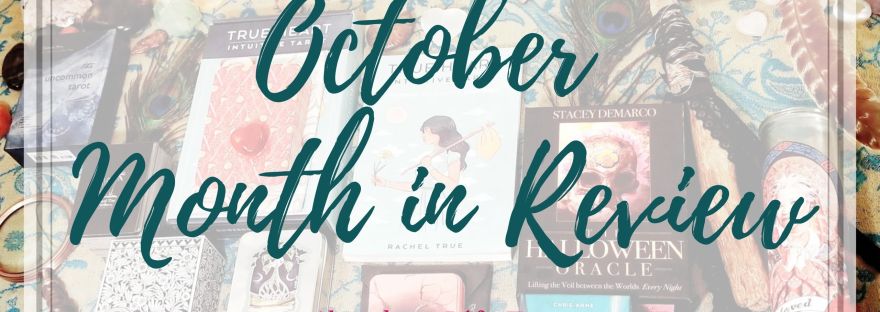
Books: 🌘 Dreams of the Overworked: Living, Working, and Parenting in the Digital Age, by Christine M. Beckman and Melissa Mazmanian, 2020. 🌘 Honoring Your Ancestors, by Mallorie Vaudoise, 2019.
Oracle: The Halloween Oracle, Roots and Wings Oracle, Oracle of Echoes, and Island Time Wellness cards.
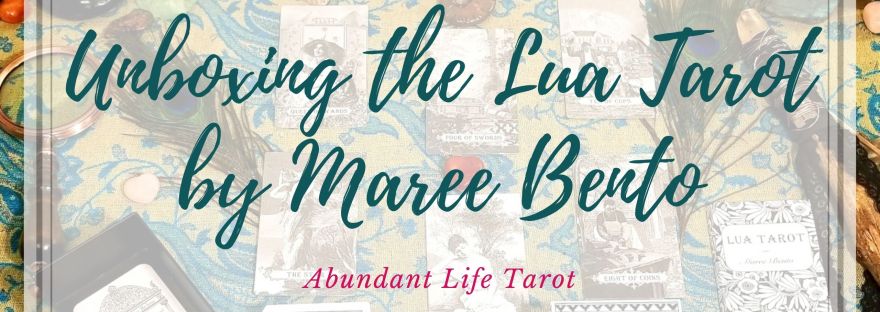
Tarot: The Uncommon Tarot, True Heart Intuitive Tarot, Light Seers Tarot, The Lua Tarot.
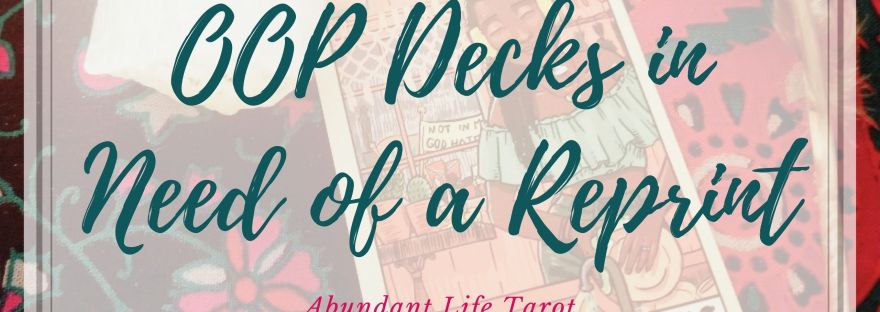
Hey Sweet Peeps! What OOP decks would you like to see get a reprint? For the long-time collectors – what sought after decks do you not want to see reprinted because you’re a little protective of the deck’s value? Let’s chat about in the YouTube comments or in the Facebook group!
Decks featured: 🌘The Delta Enduring Tarot 🌘The Bonestone & Earthflesh Tarot 🌘The Bohemian Gothic & The Victorian Romantic 🌘Tarot of the Ages (not shown) 🌘Goddess Guidance Oracle (not shown) 🌘Oracle of Echoes 🌘Dark Moon Damsel Oracle
The above video is the lecture without the students. Below you’ll find my notes from today’s lecture. I did hold a public lecture earlier today, but I forgot to record it. Be sure to join me for the next lecture on lesson 4 – Tastes Change, Has Yours? I will be sure to post details on
Welcome Students,
In today’s lecture, we will discuss the wishlist and why many choose to use such a device in their collecting practice. (Tour Lesson 3). We’ll break up this lecture focusing on the following:
Who: Deck collectors – new and old. A Deck wishlist is for those who want to a) keep track of their desired decks; b) be held accountable to their budget and their collection; c) remember what deck really called to them and to stick to deck purchases on their wishlist. Questions to ponder today: 1. Are there instances when it is okay to buy decks not on the wishlist? 2. Are there people who choose not to keep a wishlist and why? 3. Who benefits the most from wishlists? 4. Who may benefit the least from a deck wishlist? 5. What are your personal takeaways?
What: Deck wishlists. What is it? What is it not? I will show you my own personal deck wishlist and you will see me make some updates to my master spreadsheet from some sought after decks that have finally made it to my collection. We will discuss some other software that people use to track their decks and wishlists. Some are simply kept on a word or excel document. Others use websites, such as Amazon, to store wishlist items. Here are some other book storing apps that folks use to track their decks: Litsy, Goodreads, Scribd, Libib, Serial Reader, Delicious Library, Reco, Library Thing, Book Catalogue, Gerty, Book Crawler. Questions to ponder today: 1. What are some tips on how to make the most of wishlists in your collecting habits? 2. What are some challenges to wishlists? 3. Are there advantages to using an app versus a less structured method?
When: When to add, update, or delete a deck from the wishlist. We will look at my own wishlist to see how I manage it – when I choose to update it and why. Questions to ponder: 1. Do you always add every deck to the wishlist? 2. What are some benefits to keeping up to date on the wishlist? 3. What are some disadvantages to always referring to the wishlist? 4. When should one begin to keep a wishlist? 5. Are there reasons someone should forego keeping a wishlist or adding an item?
Where: Wishlists should be able to be accessed anywhere and everywhere. This helps in easily updating it in real time versus trying to remember or recall later what decks we want to add to our list.
Why: Wishlists gives those of us who need it, a sense of security and the freedom to not make an instant purchase. We can have a “cooling off” period, which is great for the budget and the collection. It allows us to do those spreads I have added to this course. It allows us to analyze the decks we are drawn to and why. It gives us a quick reference for loved ones who wish to give us decks, especially for those who have public wishlists.
Take the free course, Choosing Your Next Deck, Curating Your collection for more of the collecting process and how to make the most of your deck procurements.




 Abundant*Life*Tarot